
Ingredients
- 20 g Maryland 609 leaf
- 5 g Katerini leaf
- 5 g Virginia Lemon leaf
- 5 g fire-cured leaf
- 1.5 g potassium carbonate
- 1.5 g salt
- Toasted oak cubes, sold for wine and beer making
- Distilled water
Equipment
Method
- A few days ahead, bring the oak cubes to the boil in distilled water in a heatproof jar. Let it cool before putting the lid on, then leave for a few days.
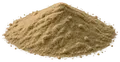
- Strip the veins from the leaf, shred it and dry it completely, for example in a slow cooker at about 50°C (120°F).
- Grind the leaf and sift it through a fine (100 mesh, about 150 micron) sieve.
- Grind the potassium carbonate and salt to a fine dust in a mortar.
- Combine the tobacco flour, salt and carbonate, and sift again.
- Put the dry mix in a jar with eight of the soaked oak cubes and shake well.
- Close the jar, leaving space at the top, and keep it at about 50°C (120°F) for about 10 hours, shaking a few times early on.
- Let it cool, remove the oak cubes, and sift the snuff through an 80 mesh (about 180 micron) sieve.
Tasting notes
Nutty and gently smoky, with oak, hay, fresh bread and leather notes.
Scents in this recipe
Comments
Loading comments…
More like this
Wine-cured rappee (a 19th-century recipe)
AdvancedA 19th-century rappee cured with red wine. The amounts are for 100 g of coarse whole-leaf flour, ground with the midribs left in.
Parisian rappee (a historical recipe)
AdvancedA historical rappee recipe for 100 g of dark leaf, cured with a wine sauce and left to ferment before the soda goes in.
Côtes de Manoques (1871)
IntermediateThe old French "ribs" snuff, made from ground tobacco stems and sauced with red wine, tamarind, sandalwood and balsam.
Bon-Bon snuff (1871)
IntermediateA sweet, resinous "ladies' snuff" from the 1871 handbook: vanilla, tonka, benzoin and sandalwood with citrus and lavender.
Updated