
Ingredients
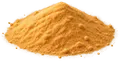
- 50 g light-coloured plain snuff
- A small pinch of sugar
- 1 drop animal-free civet perfume oil (optional)
- 3 to 4 drops orange-blossom (neroli) oil, diluted in a few drops of food-grade alcohol
Equipment
Method
- In a mortar, grind the sugar with the civet oil if you are using it.
- Add a little snuff and keep grinding and stirring, adding more snuff until the mortar is full. Tip it out onto the rest of the snuff.
- Half-fill the mortar with the mixed snuff, add the diluted orange-blossom oil and work it in well.
- Add the rest of the snuff a little at a time, then mix everything together by hand, wearing gloves.
- Seal it and leave for a few days before using.
Tasting notes
Bright orange blossom over a deeper, warmer base that lasts a long time.
Notes
Adapted from the Dutch tobacconist's handbook Nieuwe en naauwkeurige verhandeling van den tabak (Amsterdam, 1785), chapter 43, which is in the public domain. Quantities are scaled down from the original, which worked by the pound. See Pongibon in our list of old snuff names.
Scents in this recipe
Comments
Loading comments…
More like this
Maltese and amber snuffs (1785)
IntermediateTwo closely related 1785 recipes: amber snuff, made by working warm amber into any flower-scented snuff, and Maltese snuff, which adds a touch of civet to orange-blossom snuff.
Spanish musk snuff (1785)
IntermediateA flower-scented snuff deepened with musk and a touch of civet, made "the Spanish way" according to the 1785 Dutch handbook.
German bergamot snuff (1871)
IntermediateA fragrant German trade snuff: bergamot and lemon over a sauce of orris, orange peel, rosewood and elderflower.
Tabac de mille fleurs (1871)
Intermediate"Thousand flowers" snuff: a perfumer's blend of orange blossom, lavender, bergamot, cinnamon, clove and thyme.
Updated