
Ingredients
- 100 g cured and aged dark tobacco leaf
- 3.5 g sea salt
- 1 g sodium bicarbonate
- 25 to 30 g distilled water
- Extra lightly salted water, for the steamer
Equipment
Method
- Dissolve the salt and bicarbonate in the distilled water and put it in a spray bottle.
- Spray each leaf on both sides and leave them in a bowl for about an hour, stirring now and then, until very moist but not falling apart.
- Put about 5 cm (2 inches) of lightly salted water in a large steamer pot, load the leaf into the steamer tray and cover.
- Steam it in the oven at about 77°C (170°F) for 3 to 4 hours, stirring every 30 to 45 minutes.
- Take out the tray and dry the leaf in the oven in 15-minute spells, removing the pieces that are dry and crisp and pulling out the larger midribs.
- Grind the dry leaf in small batches in a coffee grinder, in short pulses.
- Put the powder in a glass bowl with an airtight lid and leave it in strong sunshine for a day or two to drive off the ammonia.
Tasting notes
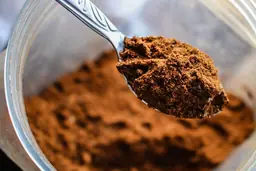
Sweet raisin and honey with some wood underneath. Medium-strong, fluffy and reddish brown.
Notes
Don't try it straight from the grinder; the fresh ammonia burns. The sunshine step makes the biggest difference.
Comments
Loading comments…
More like this
Four-leaf snuff fermented with toasted oak
AdvancedA from-scratch snuff blending four leaf tobaccos, moistened by soaked toasted oak cubes and warm-fermented overnight. Similar in style to a Kendal brown, with more depth.
Basic salt and soda snuff
BeginnerThe simplest from-scratch snuff, based on a traditional mill method: tobacco flour, water, salt and washing soda. A good first recipe.

Wine-cured rappee (a 19th-century recipe)
AdvancedA 19th-century rappee cured with red wine. The amounts are for 100 g of coarse whole-leaf flour, ground with the midribs left in.
Warm-fermented fine-cut snuff
AdvancedSome fine-cut tobaccos taste odd when sniffed as they are. A short, warm ferment with a little potassium bicarbonate fixes that.
Updated